
Will AI cure cancer?
The path to precision medicine
How AI will complete the journey from one-size-fits-all care to treatment built around your unique biology.
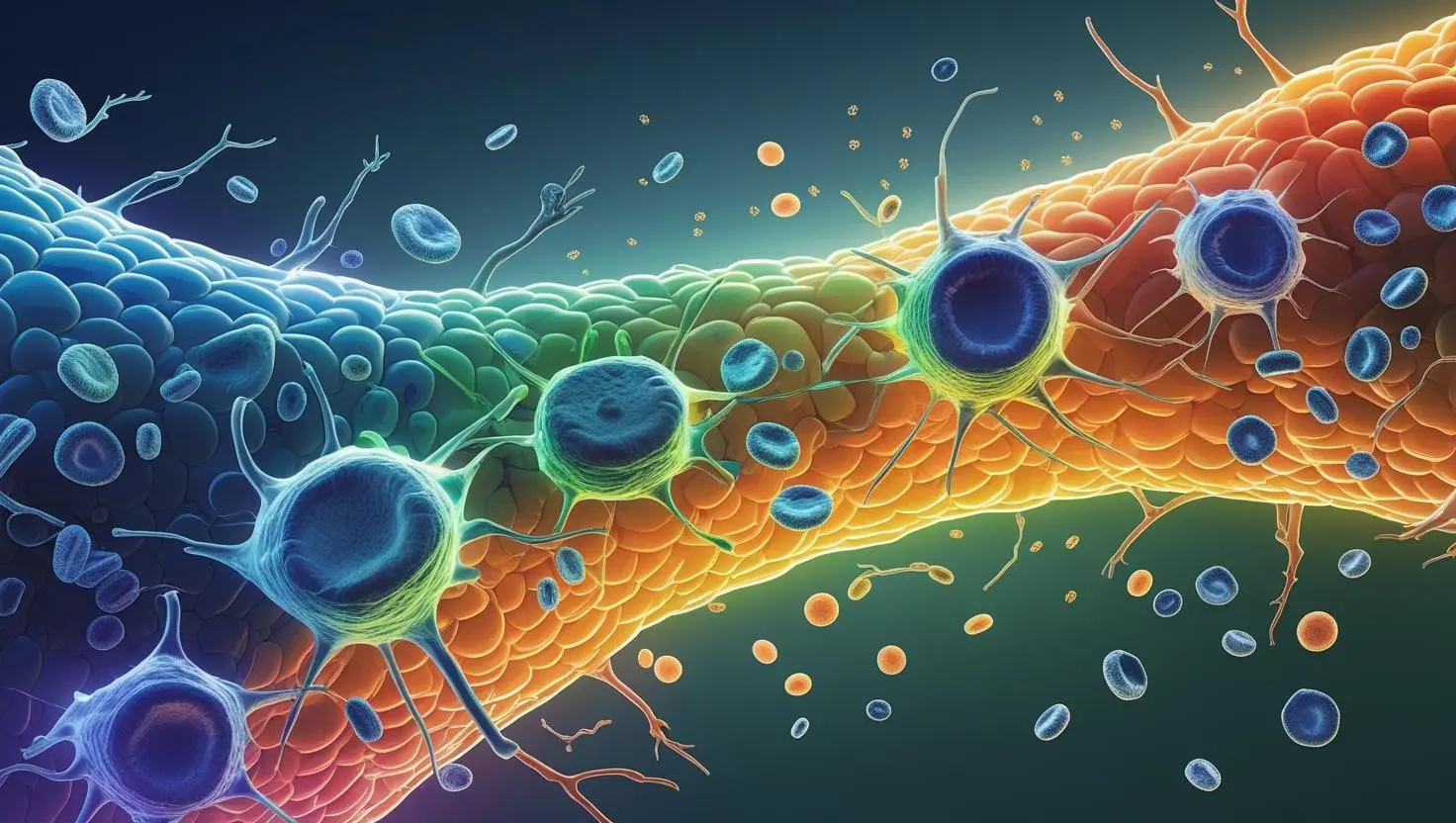
Cancer isn't an invader from outside. Cancer is us: our own cells that have gone rogue, broken free from the biological rules that keep our bodies in harmony. This is at the heart of why cancer is so hard to cure. It isn't a foreign threat medicine can simply target and destroy; it's our own biology turned against itself.
Every moment, cells in your body are dividing and occasionally making mistakes. Most errors are caught and corrected, and damaged cells are eliminated by your immune system. What we call cancer is the exception: when a rogue cell survives, learns to hide from the immune system, and multiplies unchecked. Understanding this helps us see why personalized treatment, not brute force, is the only path forward.
Every cancer has a unique fingerprint
Every cancer is unique at the molecular level. Even two patients with lung cancer or breast cancer have fundamentally different diseases. Each carries its own cytogenetic profile: a unique combination of chromosomal abnormalities, mutations, and molecular signatures as individual as a fingerprint. That fingerprint determines whether a cancer will respond to specific treatments, how aggressive it is, and which pathways it uses to survive.
This is why one-size-fits-all treatment has failed us. Giving everyone with lung cancer the same chemotherapy is like giving everyone with an infection the same antibiotic, regardless of whether they have strep throat or tuberculosis.
The evolution from broad to precise
The history of cancer treatment is a journey from crude to refined. Early chemotherapy attacked all rapidly dividing cells, cancerous or not, which is why patients lost their hair and suffered. Modern targeted therapies instead exploit specific molecular weaknesses: drugs like Gleevec transformed certain leukemias from death sentences into manageable conditions by targeting a single aberrant protein.
We're moving from treating breast cancer to treating HER2-positive, ER-negative breast cancer with a specific mutation. Each step toward precision improves outcomes and reduces side effects, but we're still grouping patients into buckets, smaller buckets than before, but buckets nonetheless.
Immunotherapy and the N-of-1 future
Immunotherapy removes cancer's invisibility cloak, helping the immune system recognize and attack what it had been tricked into ignoring. The next leap is treating every patient as an N of 1: care designed around one person's exact molecular profile rather than a population average.
That's where AI changes everything. No human can read the 3,500 papers published every day or connect an immunology finding in Japan with a trial in Boston and a protocol in Sweden. AI can, and when that knowledge is applied to your individual case, it becomes precision medicine that sees you, not a statistic.
How CureWise fits in
CureWise brings precision oncology to patients. It reads your records, explains your diagnosis in plain language, and surfaces the options and trials most relevant to your unique biology, so you can advocate for the care that fits you. See how it works, or read the founder's story of why we built it.
Your cancer is unique.
Your care should be too.
Get clear insight into your options and the confidence to advocate for the care you deserve.